Bitcoin is the first cryptocurrency, built on blockchain. The core idea is decentralization: no single authority, which makes it independent of traditional finance.
What is Bitcoin
Bitcoin (BTC) is a digital currency that exists only in digital form. It was created as an alternative to traditional money for secure, fast, and decentralized transactions. Its key feature is the blockchain — a cryptographically secured ledger of transactions.
History
Main milestones:
- 2008 — The idea: During the global financial crisis, Satoshi Nakamoto published the whitepaper for a decentralized digital currency. The goal was a system free from bank control.
- 2009 — Launch: The Bitcoin network went live with the first block (genesis block).
- 2010 — First purchase: Programmer Laszlo Hanyecz made the first known purchase with Bitcoin (2 pizzas for 10,000 BTC).
- 2011 — Growth: First competitors (altcoins), such as Litecoin, appeared.
- Rising interest: From 2012, Bitcoin was increasingly seen as an investment. Major exchanges emerged.

How it works
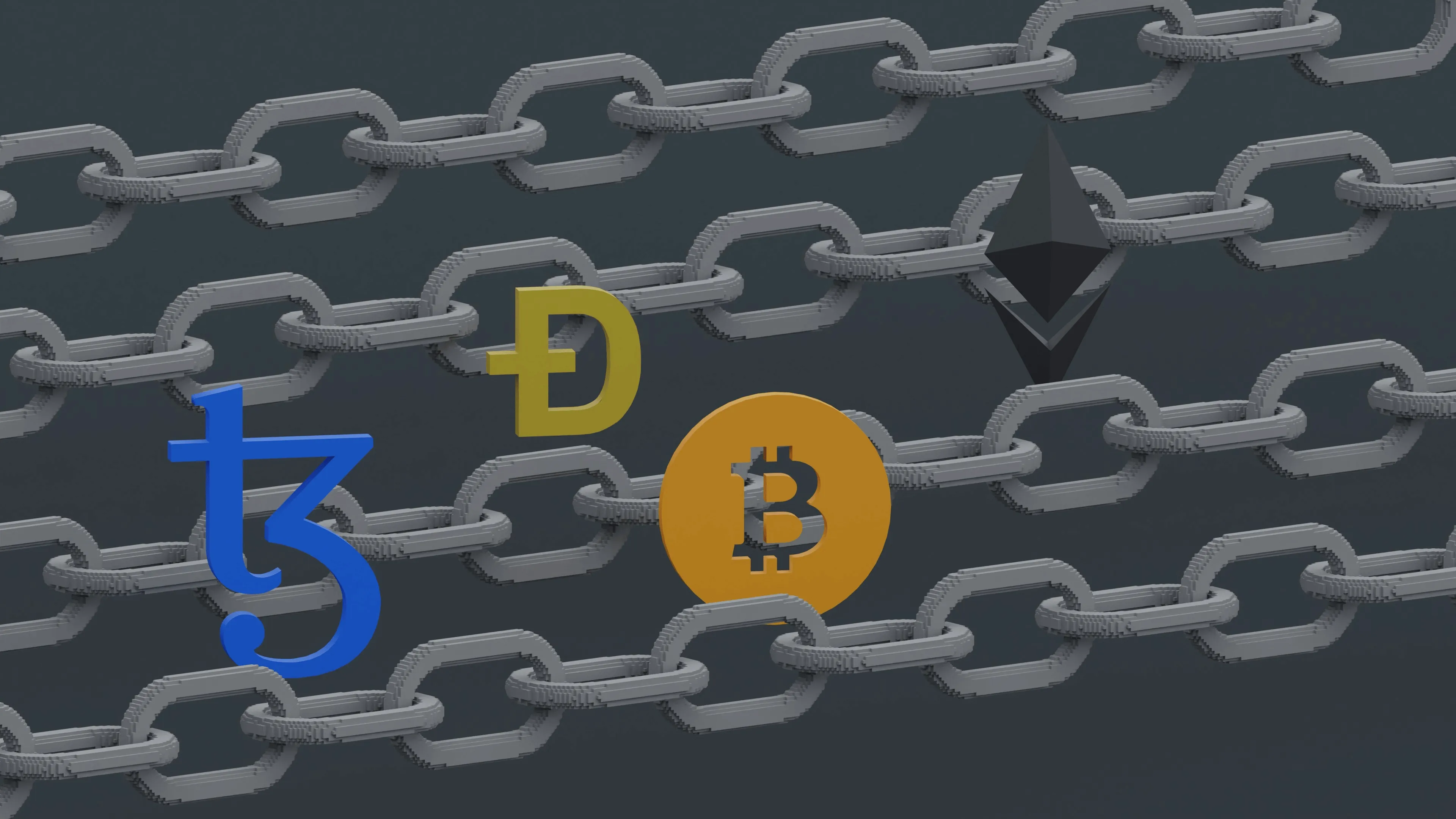
Bitcoin runs on a blockchain — a chain of blocks that record all transactions.
1. Blockchain — the foundation
The blockchain is a sequence of blocks. Each block is linked to the previous one by a unique cryptographic hash, which keeps the data intact.
- Block: A set of transactions over a period.
- Hash: A unique identifier for the block.
- Decentralization: Data is stored on thousands of nodes worldwide.
2. Transactions
Transfers between users.
- A private key (digital signature) is used to authorize.
- The transaction enters the mempool (queue) until it is included in a block.
3. Mining
The process of confirming transactions and creating new blocks. Miners solve hard mathematical problems.
- Reward: Miners receive new BTC for adding a block.
- Difficulty: Adjusted every 2,016 blocks (~2 weeks) so that block time stays around 10 minutes.
4. Supply cap
Total supply is capped at 21 million coins.
- Halving: Every 210,000 blocks (~4 years) the mining reward is cut in half. This limits inflation. See What Is Bitcoin Halving.
What Bitcoin is used for
- Payments: Global transfers without banks, with low fees.
- Investment: Often called “digital gold” because of its limited supply.
- Store of value: Hedge against inflation in fiat currencies.
- Financial sovereignty: Full control over your funds 24/7.
How to use Bitcoin
1. Get a wallet
- Hardware (Ledger, Trezor): Highest security (keys stored offline).
- Mobile (e.g. Trust Wallet): Convenient for day-to-day use.
- Exchange wallets: Held on trading platforms (Bybit, Bitget).
2. Buy and sell
You can get BTC via:
- Crypto exchanges (P2P or spot).
- Online exchangers.
- Payment systems.
Pros and cons
Pros:
- Decentralization and resistance to censorship.
- Transparency (all transactions are public).
- Global access, 24/7.
- Inflation-resistant supply.
Cons:
- High price volatility.
- Transactions cannot be reversed.
- Limited throughput (~7 transactions per second on the main chain).
- Steep learning curve (risk of losing keys).
How to earn with Bitcoin
- Automated trading: Bots can remove emotional decisions.
- Long-term holding (HODL): Buy and hold.
- Trading: Active trading on price swings.
- Mining: Producing coins with specialized hardware (ASIC).
Summary
Bitcoin is a groundbreaking technology that changed how we think about money. Despite volatility, it remains a core asset for many investors thanks to its unique design and fixed supply.
For more on the basics, see Bitcoin Basics and What Is Digital Currency.
FAQ
Is Bitcoin money?
Yes, Bitcoin is a digital currency that can be used for payments, investments, and transfers. More companies and even some countries accept it.
How many Bitcoin exist in total?
Maximum 21 million coins. This is embedded in the code and cannot be changed. Over 19 million have been mined so far.
How to store Bitcoin?
For long-term storage, use hardware wallets (Ledger, Trezor). For active trading, use exchange wallets or hot wallets with good security.
Is Bitcoin legal in Russia?
As of writing, Bitcoin is not banned, but its use is limited. Following legislation changes is recommended.
Why is Bitcoin volatile?
Due to the small market and lack of regulation. News, sentiment, and large players significantly affect the price. This is both a risk and an opportunity for profit.
Disclaimer
This blog is for informational purposes only. It does not constitute financial or investment advice.
Trading cryptocurrencies and other financial instruments involves high risk. You may lose all your funds.
The author is not responsible for any financial losses resulting from the use of information from this blog.